
For maintenance, repair, and overhaul providers, manufacturers, and defence contractors, selecting the right aircraft sealant is crucial for meeting performance requirements, regulatory standards, and operational objectives.
In this guide, we explore the different types of aircraft sealants, their applications, and the key factors to consider when choosing the right solution.
What Are Aircraft Sealants?
Aircraft sealants are specialised compounds designed to prevent the passage of liquids, gases, moisture, dust, and contaminants through aircraft structures and assemblies. Unlike general industrial sealants, aerospace sealants are engineered to withstand extreme temperatures, vibration, fuel exposure, pressure changes, and demanding environmental conditions.
Sealants are used throughout an aircraft, including:
- Fuel tanks
- Fuselage structures
- Wing assemblies
- Windows and canopies
- Electrical bonding areas
- Fasteners and joints
- Pressurised cabins
By creating durable and reliable seals, these materials help maintain aircraft integrity while reducing maintenance requirements and extending service life.
Common Types of Aerospace Sealants
Fuel Tank Sealants
Fuel tank sealants are among the most widely used aerospace sealing products. They are designed to provide long-term resistance to aviation fuels, hydraulic fluids, and environmental exposure.
Typical applications include:
- Integral fuel tanks
- Fuel cell assemblies
- Fuel access panels
- Structural joints exposed to fuel
These sealants must maintain flexibility while preventing leaks throughout the aircraft's operational life.
Conductive Sealants
Conductive sealants are formulated with conductive fillers that allow electrical continuity across bonded surfaces.
They are commonly used for lightning strike protection, electrical bonding, EMI shielding, and static discharge control. Conductive sealants are particularly important in modern aircraft where electrical systems play a critical role in overall performance and safety.
Firewall and High-Temperature Sealants
Certain aircraft components are exposed to elevated temperatures and require specialised sealants capable of maintaining performance under thermal stress.
Common applications include engine compartments, firewall assemblies, high-temperature ducting, and heat-exposed structural areas. These sealants help maintain safety and system integrity in demanding operating conditions.
Corrosion Inhibiting Sealants
Corrosion remains one of the most significant threats to aircraft longevity. Corrosion-resistant sealants help protect dissimilar metals, prevent moisture ingress, reduce galvanic corrosion, and extend component lifespan.
These products are frequently used in conjunction with aerospace surface treatments and corrosion protection systems.
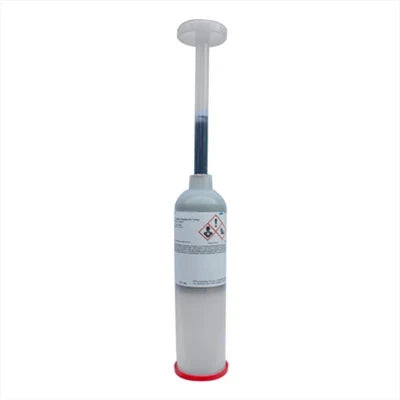
ADG can support RFQs for common fuel tank sealants, surface sealants, technical documents, shelf-life checks, and export-aware sourcing.
Browse productsKey Applications for Aircraft Sealants
Fuel System Protection
Preventing fuel leaks is one of the most critical functions of aerospace sealants. Proper sealing protects aircraft performance, improves safety, and reduces maintenance costs.
Structural Sealing
Sealants are used throughout airframes to protect structural joints from environmental exposure and moisture penetration.
Environmental Protection
Aircraft regularly operate in harsh environments that expose components to rain, salt spray, UV radiation, temperature fluctuations, and atmospheric contaminants. Sealants provide an essential barrier against these external factors.
Electrical Bonding
Specialised conductive sealants support electrical continuity between components while maintaining environmental protection.
Factors to Consider When Selecting Aircraft Sealants
Chemical Resistance
Different aircraft systems are exposed to different chemicals. Consider resistance requirements for jet fuel, hydraulic fluids, cleaning agents, lubricants, and de-icing fluids. The sealant must remain effective throughout its service life despite continuous exposure.
Temperature Performance
Aircraft operate across a wide range of temperatures, from high-altitude freezing conditions to elevated engine temperatures. Ensure the selected sealant is suitable for the operating environment.
Cure Time and Application Requirements
Procurement and maintenance teams should evaluate working life, cure schedules, application methods, and packaging formats. Fast-curing products may help reduce maintenance downtime and improve operational efficiency.
Regulatory Compliance
Aircraft sealants must meet relevant aerospace specifications and industry standards. Working with an experienced aerospace materials supplier helps ensure compliance with OEM and regulatory requirements.
Shelf Life Management
Sealants are specialised products with defined storage requirements and expiration dates. Effective inventory management helps organisations minimise waste, maintain compliance, improve procurement efficiency, and reduce operational costs.
The Importance of Choosing the Right Aerospace Materials Supplier
The performance of an aircraft sealant is only one part of the equation. Reliable sourcing, technical support, traceability, and product availability are equally important.
A trusted aerospace distribution partner can help organisations source approved materials, access technical documentation, manage lead times, support urgent AOG requirements, and improve supply chain resilience.
For aerospace manufacturers, MRO providers, and defence organisations, working with an experienced supplier helps ensure materials arrive when needed and meet the highest industry standards.
Conclusion
Aircraft sealants are fundamental to aircraft safety, reliability, and performance. Whether used for fuel tank sealing, corrosion protection, structural assembly, or electrical bonding, selecting the right sealant requires careful consideration of application requirements, environmental conditions, and compliance standards.
By understanding the different types of aerospace sealants and working with a knowledgeable distribution partner, organisations can improve maintenance outcomes, reduce downtime, and support long-term operational success.
If you're looking for specialist aerospace sealants, aircraft maintenance materials, or technical procurement support, Aero Distribution Group can help you source the right products for your application.
FAQs
Aircraft Sealants FAQs
What are aircraft sealants used for?
Aircraft sealants are used to prevent the passage of fuel, moisture, gases, dust, and contaminants through aircraft structures. Common applications include fuel tanks, fuselage joints, wings, windows, fasteners, pressurised cabins, and electrical bonding areas.
What is the difference between aerospace sealants and general industrial sealants?
Aerospace sealants are engineered for demanding aircraft environments, including fuel exposure, vibration, pressure changes, temperature extremes, corrosion risk, and strict documentation requirements. General industrial sealants are not usually designed or approved for these conditions.
Which sealants are used for aircraft fuel tanks?
Fuel tank sealants are typically used in integral fuel tanks, access panels, fuel cell assemblies, and joints exposed to aviation fuel. They need strong fuel and fluid resistance while maintaining flexibility over time.
Why are conductive sealants used on aircraft?
Conductive sealants help maintain electrical continuity between bonded surfaces. They can support lightning strike protection, electrical bonding, EMI shielding, and static discharge control.
What should buyers check before ordering aircraft sealants?
Buyers should check the application, chemical resistance, temperature range, cure time, packaging format, shelf life, documentation needs, and relevant aerospace specifications. For urgent requirements, lead time and stock availability should also be confirmed early.
Can ADG help source aerospace sealants with documentation?
Yes. ADG can help source aerospace sealants and support requests for documents such as TDS, SDS, certificates of conformity, batch or lot information, shelf-life details, and export-aware supply routes where required.
Include part numbers, quantities, documentation needs, delivery country, and required date.