
These specialist aerospace sealants are designed to prevent fuel leaks, protect structural integrity, and withstand some of the harshest operating conditions found in aviation.
Whether supporting routine maintenance, structural repairs, or aircraft manufacturing, selecting the correct fuel tank sealant is a vital part of ensuring long-term performance.
In this guide, we explore what fuel tank sealants are, where they are used, and the key factors maintenance teams and procurement professionals should consider when selecting the right product.
What Are Fuel Tank Sealants?
Fuel tank sealants are specialised aerospace compounds formulated to create a durable, fuel-resistant barrier between aircraft structures. They are engineered to maintain flexibility while resisting prolonged exposure to aviation fuels, hydraulic fluids, temperature changes, vibration, and pressure fluctuations.
Unlike standard industrial sealants, aerospace fuel tank sealants must continue to perform throughout an aircraft's operational life without compromising safety or structural performance.
Where Are Fuel Tank Sealants Used?
Fuel tank sealants are commonly applied in areas including:
- Integral wing fuel tanks
- Fuel access panels
- Riveted joints
- Fasteners
- Structural seams
- Fuel system repairs
- Aircraft manufacturing and assembly
Their primary purpose is to prevent fuel leakage while protecting surrounding structures from corrosion and environmental contamination.
Why Choosing the Correct Sealant Matters
Every aircraft application has unique performance requirements. Selecting an inappropriate sealant can lead to premature failure, increased maintenance costs, and unnecessary aircraft downtime.
When evaluating fuel tank sealants, maintenance teams should consider several key performance characteristics.
Fuel Resistance
Perhaps the most important requirement is resistance to aviation fuels. Sealants must remain stable after continuous exposure to fuels such as Jet A and other aviation fuel types without degrading or losing adhesion.
Flexibility
Aircraft structures naturally expand and contract during operation due to changes in temperature, altitude, and pressure. A high-quality fuel tank sealant should remain flexible throughout its service life, allowing it to absorb movement without cracking or separating from the substrate.
Environmental Performance
Aircraft operate in demanding environments that expose materials to extreme temperatures, moisture, UV radiation, vibration, and pressure cycling. Fuel tank sealants are specifically developed to maintain performance despite these challenging conditions.
Chemical Compatibility
Aircraft maintenance involves exposure to a range of fluids and chemicals beyond fuel. The selected sealant should demonstrate compatibility with hydraulic fluids, cleaning chemicals, lubricants, de-icing fluids, and aviation oils.
Understanding the operating environment helps ensure long-term reliability.
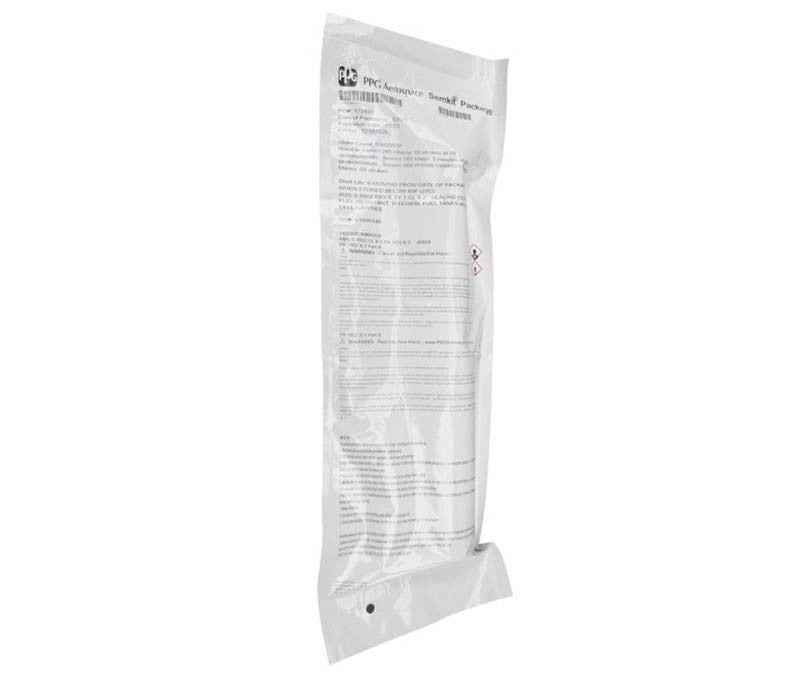
Read the broader ADG guide covering sealant types, applications, and selection criteria across aircraft maintenance and manufacturing.
Read aircraft sealants guideApplication Considerations
Choosing the right sealant is only part of the process. Correct preparation and application are equally important.
Before application, maintenance teams should ensure surfaces are clean and free from contamination, existing damaged sealant has been removed, manufacturer application instructions are followed, correct cure times are observed, and environmental conditions are suitable for application.
Proper installation helps maximise sealant performance and minimise future maintenance requirements.
Storage and Shelf Life
Fuel tank sealants have defined storage conditions and expiration dates. Managing shelf life effectively helps organisations reduce material waste, maintain regulatory compliance, improve inventory control, and ensure product performance.
Procurement teams should work with suppliers that provide clear shelf life information and support effective stock rotation.
The Importance of Product Traceability
Within aerospace, traceability is critical. Every batch of sealant should be supplied with the appropriate documentation to support quality assurance and regulatory compliance.
This includes batch numbers, certificates of conformity, manufacturer documentation, storage recommendations, and expiry information. Reliable traceability supports both maintenance organisations and aircraft manufacturers throughout the product lifecycle.
Choosing the Right Aerospace Supplier
A dependable supplier offers more than access to products. They provide technical expertise, responsive customer support, and reliable delivery that helps maintenance teams keep projects on schedule.
An experienced aerospace distributor can assist with product selection, manufacturer approvals, lead time management, alternative product recommendations, and urgent AOG requirements.
This level of support can reduce procurement risk while improving operational efficiency.
Conclusion
Fuel tank sealants are a critical part of aircraft maintenance and manufacturing. Selecting the right product requires careful consideration of fuel resistance, environmental performance, flexibility, and compliance requirements.
By working with an experienced aerospace materials supplier and choosing products designed for the specific application, organisations can improve reliability, reduce maintenance costs, and support the long-term safety of their aircraft.
Partner with Aero Distribution Group
Aero Distribution Group supplies a wide range of aerospace sealants, aircraft maintenance materials, and specialist aviation products from trusted manufacturers.
Whether you're sourcing fuel tank sealants for scheduled maintenance or supporting an urgent AOG requirement, our team can help you identify the right solution for your application.
Contact us today to discuss your requirements or request a quotation.
FAQs
Fuel Tank Sealants FAQs
What are fuel tank sealants used for?
Fuel tank sealants are used to create a durable fuel-resistant barrier in aircraft fuel systems. They help prevent fuel leaks, protect structural seams, seal fasteners and access panels, and support long-term aircraft reliability.
Where are aircraft fuel tank sealants commonly applied?
Common applications include integral wing fuel tanks, fuel access panels, riveted joints, fasteners, structural seams, fuel system repairs, and aircraft manufacturing or assembly.
What should maintenance teams consider when selecting fuel tank sealants?
Maintenance teams should consider fuel resistance, flexibility, environmental performance, chemical compatibility, application requirements, cure time, shelf life, traceability, and the documentation needed for compliance.
Why is shelf life important for fuel tank sealants?
Fuel tank sealants have defined storage conditions and expiration dates. Managing shelf life helps reduce waste, maintain compliance, improve inventory control, and ensure the product performs as expected.
Can ADG help source fuel tank sealants?
Yes. ADG can help source fuel tank sealants, aircraft maintenance materials, and specialist aviation products from trusted manufacturers, including support for documentation, lead-time checks, and urgent requirements.
Include product, quantity, packaging, delivery country, required date, and any shelf-life or compliance requirements.