
Aircraft operate in some of the harshest environments imaginable. From extreme temperatures and high-altitude pressure changes to fuel exposure, vibration and moisture, every component must be protected using materials specifically designed for aerospace applications.
One of the most important of these materials is the aerospace sealant.
Whether sealing an aircraft fuel tank, protecting an avionics enclosure or preventing moisture ingress into critical structures, the correct sealant plays a vital role in aircraft safety, reliability and long-term performance.
For procurement teams, selecting the right sealant isn't simply about choosing a recognised product name. It requires understanding the application, the environmental conditions and the relevant OEM specifications.
- What aerospace sealants are
- The different types of aerospace sealants
- Typical aircraft applications
- Factors to consider before purchasing
- Why documentation matters
- How Aero Distribution Group supports aerospace procurement teams
What Is an Aerospace Sealant?
aerospace sealants are specialist materials used to fill gaps, prevent leaks and protect aircraft components from environmental exposure.
Unlike standard industrial sealants, aerospace-grade products are engineered to withstand demanding operating conditions while meeting strict aviation standards.
Sealants may be used to:
- Prevent fuel leaks
- Protect against moisture ingress
- Seal pressurised cabins
- Maintain electrical insulation
- Reduce corrosion
- Protect against dust and contaminants
- Support structural integrity
Because different aircraft systems have different requirements, multiple sealant technologies are used throughout aerospace manufacturing and maintenance.
Why Aerospace Sealants Are So Important
Aircraft contain thousands of joints, fasteners and assemblies that require reliable sealing.
Without the correct sealant, aircraft may experience:
- Moisture ingress
- Corrosion
- Fuel leaks
- Pressure loss
- Electrical failures
- Contamination
- Reduced component life
Choosing the correct sealant helps improve reliability while reducing long-term maintenance costs.
The Main Types of Aerospace Sealants
Polysulphide Sealants
Polysulphide sealants are among the most commonly used aerospace sealing compounds.
They are particularly valued for their excellent fuel resistance and long-term durability.
Typical applications include:
- Fuel tanks
- Wing structures
- Fuselage joints
- Pressurised compartments
Common products include:
- PR1782
- PR1440
- PR1422
Key Benefits
- Excellent fuel resistance
- Long service life
- Flexible after curing
- Strong environmental resistance
Silicone Sealants
Silicone sealants remain flexible over a wide temperature range and are widely used where movement is expected.
Typical applications include:
- Electrical systems
- Avionics
- Cabin interiors
- Environmental sealing
Popular products include:
Benefits
- Excellent flexibility
- Moisture resistance
- UV resistance
- Electrical insulation
- High-temperature performance
Conductive Sealants
Certain aerospace applications require sealants that maintain electrical continuity.
Conductive sealants are commonly used for:
- EMI shielding
- Electrical grounding
- Avionics
Products such as PPG PR1764 are designed specifically for these specialist applications.
Fire-Resistant Sealants
Aircraft operating near engines or high-temperature systems often require fire-resistant sealing materials.
These products help improve aircraft safety while meeting stringent aerospace regulations.
Common Aircraft Applications
aerospace sealants are used throughout virtually every aircraft.
Fuel Tank Sealing
fuel tank sealants prevent fuel leakage while maintaining flexibility throughout the aircraft's operational life.
Cabin Pressurisation
Sealants help maintain airtight structures required for cabin pressurisation.
Electrical Systems
Silicone sealants protect sensitive electrical components from moisture and contamination.
Composite Structures
Sealants protect bonded composite assemblies from environmental exposure.
Windows and Windscreens
Aircraft windows require specialist sealants capable of withstanding pressure changes and vibration.
Corrosion Protection
Sealants help prevent moisture entering joints where corrosion may develop.
Factors to Consider Before Choosing an Aerospace Sealant
Aircraft Manufacturer Approval
Always follow the Aircraft Maintenance Manual (AMM), Structural Repair Manual (SRM) or OEM-approved material specifications.
Using an unapproved sealant may compromise compliance.
Chemical Resistance
Consider whether the sealant will be exposed to:
- Aviation fuel
- Hydraulic fluids
- Cleaning chemicals
- Engine oils
- De-icing fluids
Different sealants offer different levels of chemical resistance.
Temperature Performance
Aircraft operate across extreme temperature ranges.
Ensure the selected sealant is suitable for the intended operating environment.
Cure Time
Maintenance schedules often depend on curing times.
Some products are designed for rapid repairs, while others provide longer working times for complex assemblies.
Flexibility
Some applications require permanent flexibility to accommodate vibration and thermal expansion.
Silicone sealants are frequently selected for these environments.
Colour Requirements
Certain OEMs specify particular sealant colours for inspection or maintenance purposes.
Always verify engineering documentation before ordering.
Procurement Best Practice
When purchasing aerospace sealants, procurement teams should look beyond the product name.
Consider:
Product Authenticity
Only source genuine aerospace materials through trusted supply chains.
Remaining Shelf Life
Sealants have limited shelf lives.
Receiving products with adequate remaining shelf life helps minimise waste.
Packaging Options
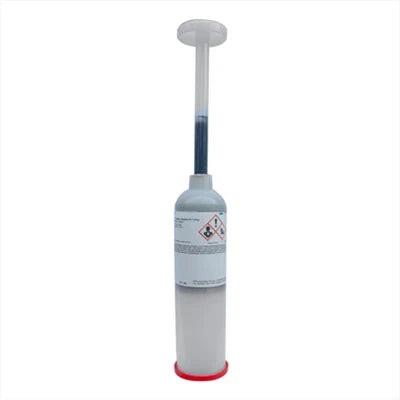
Sealants may be supplied as:
- Cartridges
- Kits
- Dual cartridges
- Bulk containers
Selecting the right packaging helps improve efficiency.
Technical Documentation
Every aerospace sealant should be supplied with appropriate documentation.
This may include:
- Certificate of Conformance (CoC)
- Technical Data Sheet (TDS)
- Safety Data Sheet (SDS)
- Batch traceability
Documentation is essential for quality assurance and regulatory compliance.
Why Documentation Matters
Documentation plays a vital role in aerospace procurement.
Maintenance teams often cannot install materials until the correct documentation has been reviewed.
Working with a specialist distributor helps ensure products arrive with the paperwork needed for audits, inspections and quality management systems.
How ADG Works for Buyers
Send ADG one RFQ for aerospace sealants and we match it to AS9120 or ISO 9001 certified suppliers who can supply it. They quote you directly, usually within 48 hours.
- One RFQ, multiple quotes from certified suppliers
- Quotes direct from the supplier, usually within 48 hours
- CoC, TDS, SDS, batch and shelf-life requirements passed on with your RFQ
- Compare quotes and order direct from the supplier you choose
Whether you need aerospace sealants for routine maintenance or an urgent AOG requirement, send your requirement once and the suppliers come to you.
Request a Quote for Aerospace sealant
Send one RFQ to ADG and AS9120 or ISO 9001 certified suppliers quote you directly, usually within 48 hours.
Send your requirement to ADG with product code, quantity, packaging, delivery location, required date, shelf-life expectations and any CoC, TDS or SDS requirements.
Use the RFQ page to send part numbers, pack sizes, quantities, delivery requirements and documentation needs.
Explore fuel tank sealantsFAQs
aerospace sealant FAQs
What is an aerospace sealant?
An aerospace sealant is a specialist material used to prevent leaks, protect aircraft structures and seal components against moisture, fuel and environmental contaminants.
What is the difference between silicone and polysulphide sealants?
Silicone sealants are commonly used for electrical insulation, flexibility and environmental sealing, while polysulphide sealants are widely used for fuel tanks and structural sealing because of their excellent fuel resistance.
What documentation should accompany aerospace sealants?
Procurement teams typically require Certificates of Conformance (CoC), Technical Data Sheets (TDS), Safety Data Sheets (SDS) and batch traceability.
Why is shelf life important when purchasing sealants?
Aerospace sealants have controlled shelf lives. Purchasing products with sufficient remaining shelf life helps reduce waste and ensures materials remain suitable for planned maintenance activities.
Can Aero Distribution Group supply aerospace sealants worldwide?
Yes. Aero Distribution Group supports customers globally with genuine aerospace sealants, technical documentation and responsive procurement support.
Include product codes, pack sizes, destination, required delivery date, shelf-life expectations and any CoC, TDS or SDS requirements.